Please verify that you are a Healthcare Professional. Register for complete access to all the content!
Short-term nimesulide use demonstrates good tolera...

A clinical study evaluating the safety of nimesulide in patients with rheumatological complaints reports modest alterations in liver function parameters after t...
Taking NSAIDs after 60? Study warns of increased G...
A large hospital-based study from Beijing has identified significant risk factors associated with nonsteroidal anti-inflammatory drug (NSAID)-induced gastrointe...

2 min
Long-term intramuscular cyanocobalamin therapy in...
Corpus atrophic gastritis (CAG) is a chronic autoimmune condition characterized by progressive loss of gastric acid secretion and intrinsic factor production, r...

2 min
First-line antiviral for chronic hepatitis B: Teno...
Chronic hepatitis B (CHB) poses a substantial global health burden requiring effective long-term antiviral therapy.

2 min
Tegoprazan emerges as fast-acting alternative to P...
A large study has positioned tegoprazan, a potassium-competitive acid blocker (PCAB), as a next-generation therapy for gastroesophageal reflux disease (GERD)&md...

2 min
Low-dose aspirin raises gastric and duodenal ulcer...
A large population-based analysis of over 220,000 volunteers has revealed that low-dose aspirin initiation is connected with increased risk of gastric ulcer and...
2 min
Diagnosis and Management of GERD: Updates from Lyo...
Gastroesophageal reflux disease (GERD) is one of the most common gastrointestinal ailments globally, impacting approximately 1.03 billion individuals.

5 min
Patient interviews reveal gaps in primary care sup...
Primary biliary cholangitis (PBC) is a rare yet relentlessly progressive autoimmune liver disease that necessitates lifelong surveillance and close coordination...
1 min
Global PPI use hits 25%: Study flags rising long-t...
A large-scale systematic review assessing global trends in proton pump inhibitor (PPI) use has revealed that these acid-suppressing drugs are used by nearly 25%...

2 min
High-dose vs. conventional therapy for H. pylori e...
Optimizing Helicobacter pylori (H. pylori) eradication therapy is fundamental in the era of rising antibiotic resistance.

3 min
Exploring the causal link between menarche onset and risk of gallstone disease
Earlier age at menarche increases the risk of gallstone disease, with liver function, lipid metabolism, and body fat acting as key mediators.
Clinical outcomes of RefluxStop for gastroesophageal reflux disease
RefluxStop markedly reduces GERD-HRQL scores while maintaining a 95.5% patient satisfaction rate.
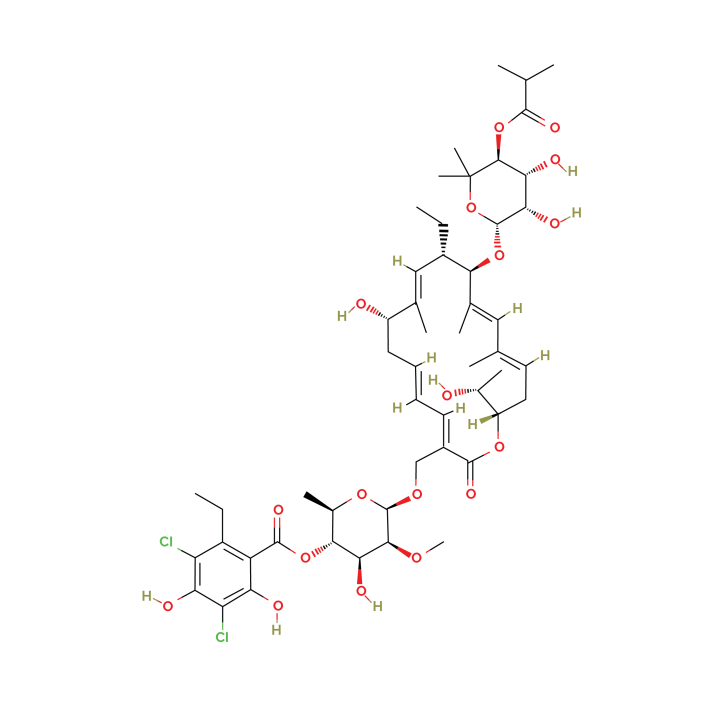
Fidaxomicin is a novel macrocyclic macrolide antibiotic and the first member of a new class of antimicrobial agents.
Multi-strain probiotics as nutritional therapy for chronic constipation in adult...
A 28-day multi-strain probiotic regimen significantly improves digestive health and constipation-related symptoms in middle-aged and older adults.
Nitazoxanide-based regimens outperform standard triple therapy in H. pylori erad...
Compared to standard triple therapy, nitazoxanide-based therapy effectively improves H. pylori elimination rates.
Non-invasive biomarkers in liver fibrosis and transplant outcomes
Serum leptin, vitamin D, and APRI serve as dynamic non-invasive biomarkers reflecting liver fibrosis severity and recovery following liver transplantation.
Tegoprazan emerges as fast-acting alternative to PPIs for GERD management
Tegoprazan delivers faster acid suppression and superior nocturnal symptom control with non-inferior healing versus PPIs in GERD.
Tradipitant is a centrally acting antiemetic approved by the Food and Drug Administration (FDA) on 30 December 2025 for the prevention of motion sickness–...
PCABs offer superior clinical outcomes across major acid-related conditions
PCABs deliver faster and more consistent acid suppression with comparable or superior clinical outcomes than PPIs in acid-related diseases.
Bee allergy linked to higher H. pylori infection and gastric inflammation
Bee allergy significantly correlates with higher H. pylori infection rates and increased gastric inflammation.
High-dose vs. conventional therapy for H. pylori eradication
High-dose PPI–based 10-day concomitant therapy achieves the highest H. pylori eradication rate when compared to standard and reduced-duration regimens.
Reflux oesophagitis risk factors: The hidden role of common medications
Patients taking calcium channel blockers, theophylline, or NSAIDs face a higher likelihood of reflux oesophagitis.
This website uses cookies to help us give you the best experience when you visit.
By using this website you consent to our use of cookies. For more information please review our cookie policy.